Nature & night sky
Wildlife Watching
A slow, attentive way to experience the landscape — quiet, immersive and deeply grounding. Less about chasing sightings, more about noticing what’s already there.
A slow, attentive way to experience the landscape — quiet, immersive and deeply grounding. Less about chasing sightings, more about noticing what’s already there.
As you move through valleys, woodlands and open hillsides, the landscape reveals itself in small moments — a bird circling high above, movement in the grass, a flicker of colour from wildflowers or butterflies. Nothing is guaranteed, and that’s part of the appeal.
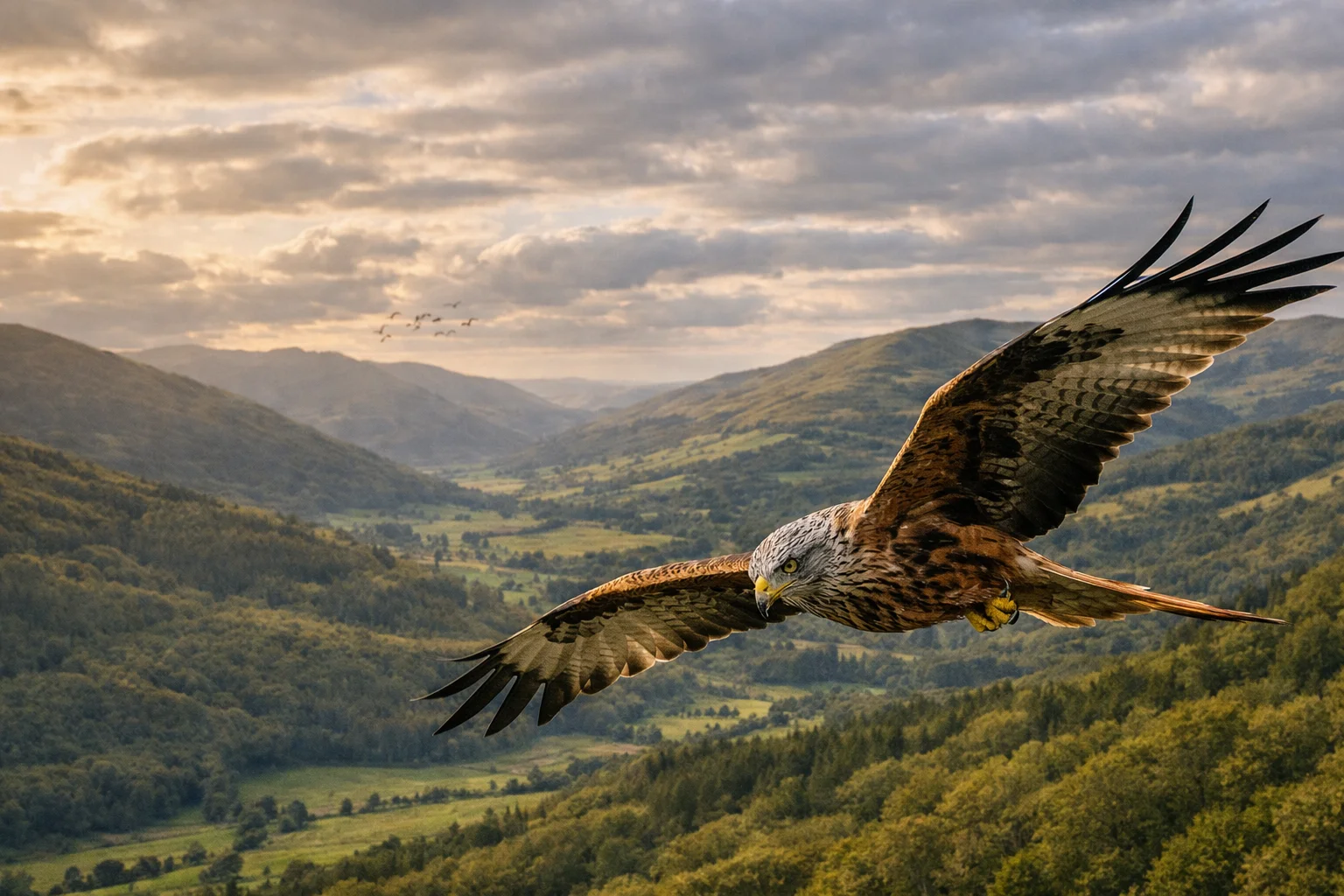
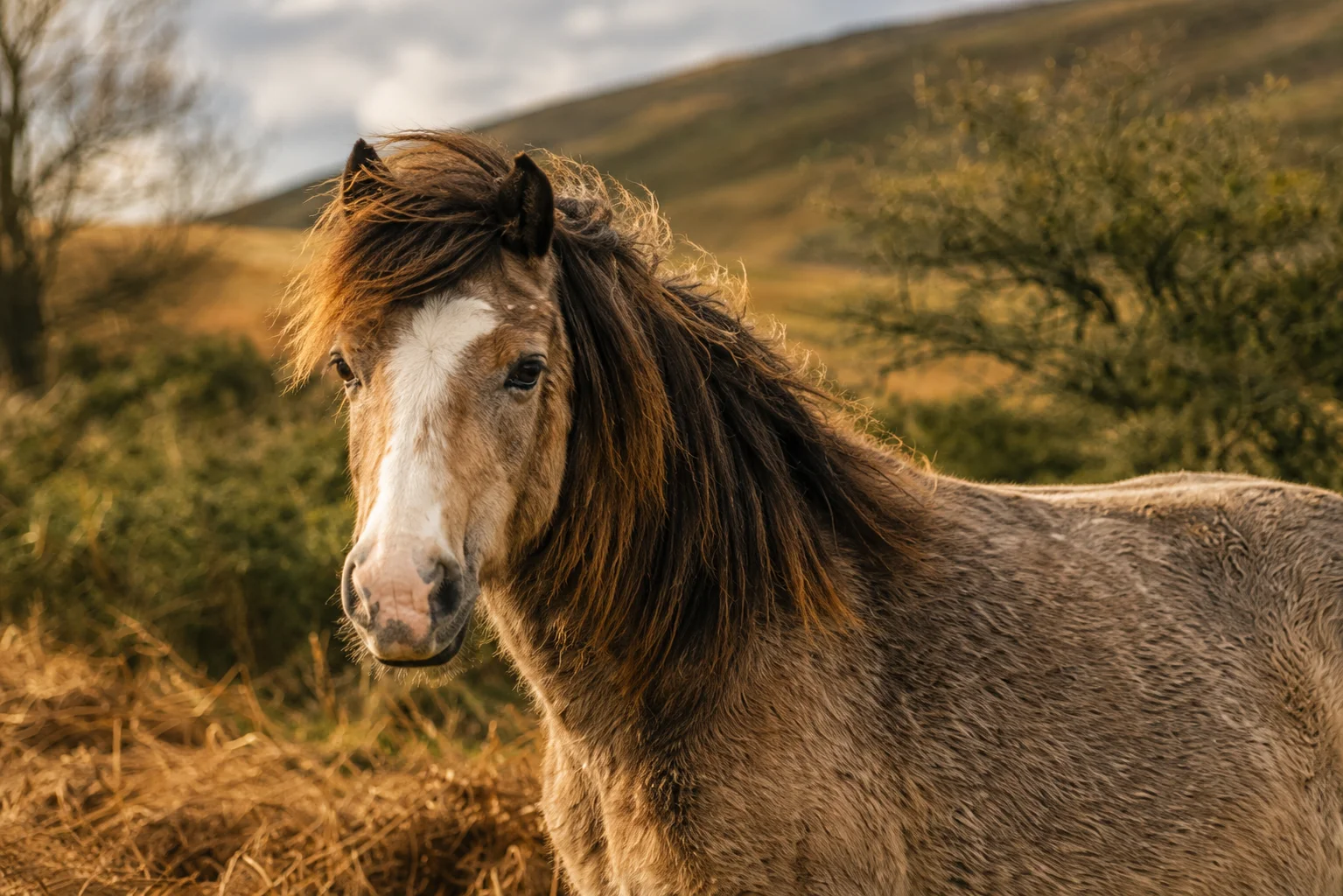
You might see red kites riding thermals, buzzards drifting over ridgelines, or ponies grazing quietly on the uplands. Along rivers, dippers skim the water’s edge, while reservoirs draw in water birds across still, reflective surfaces. Or you might simply settle into the quiet rhythm of the landscape.
If you’re not sure where to begin, these are simple to access, easy to explore, and ideal for slowing down.
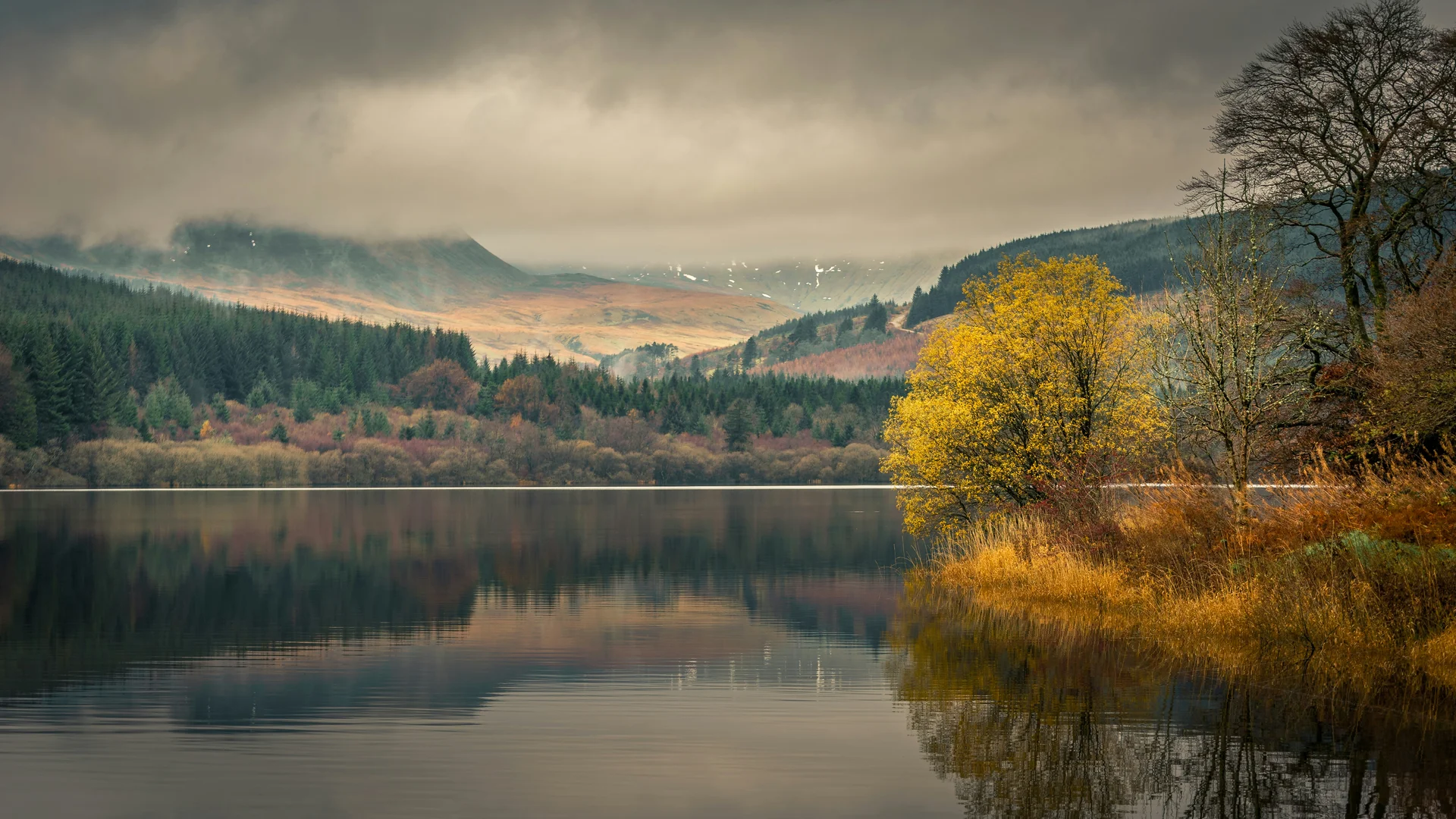
Calm water, quiet surroundings and regular bird activity, out on the remote western edge of the park.
View the walk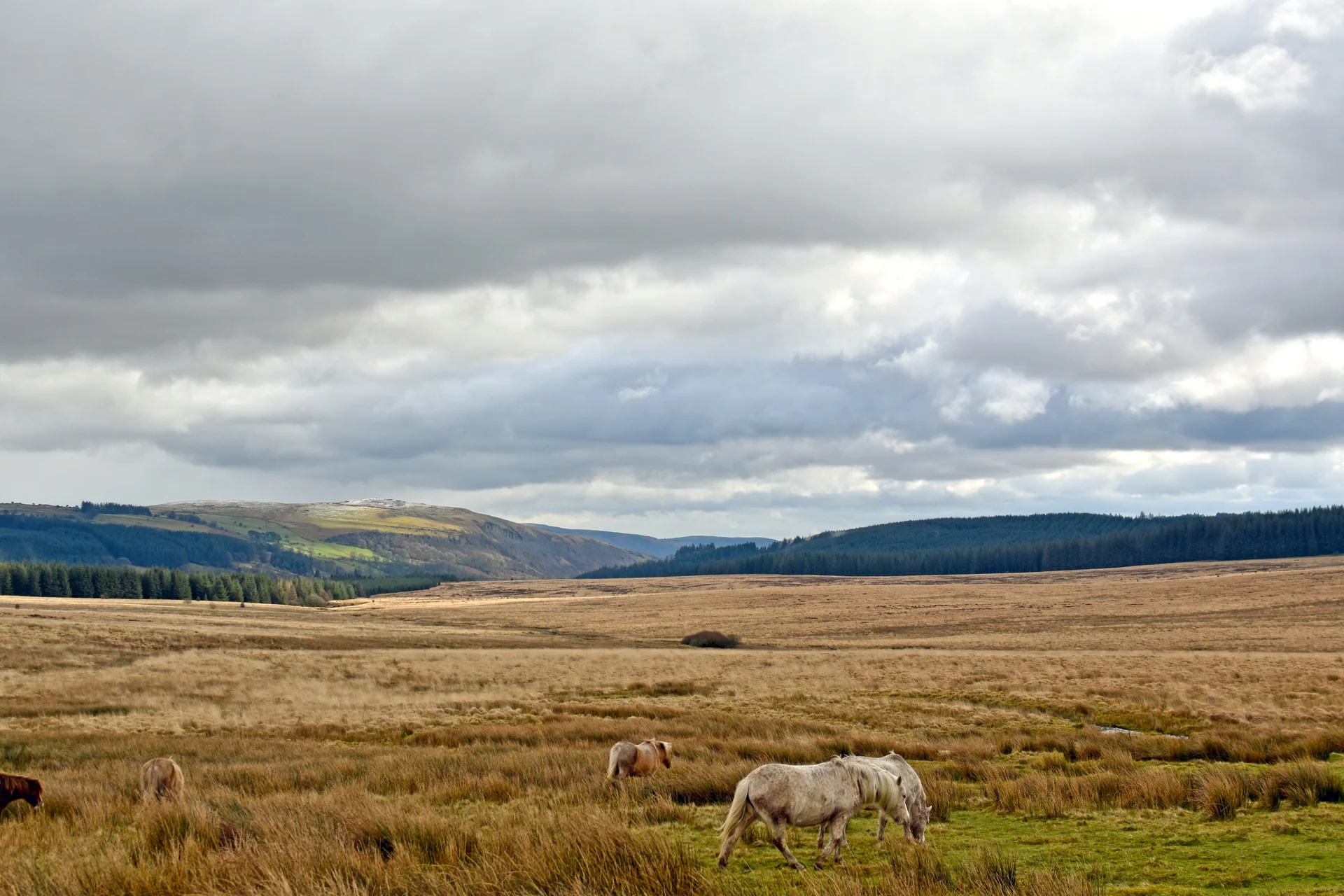
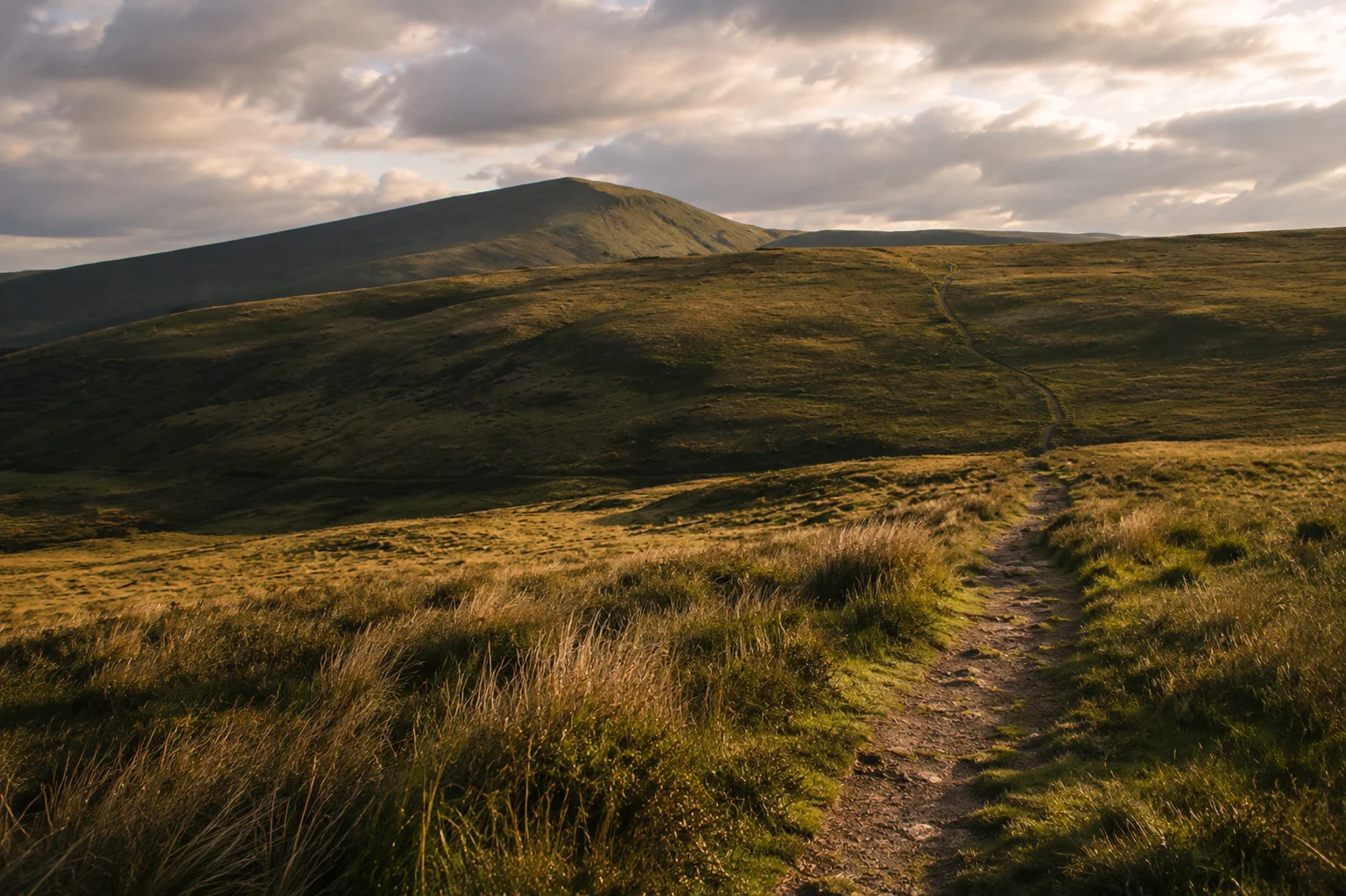
Open moorland with wide views and birds of prey — big scenery with no steep climb required.
View the walk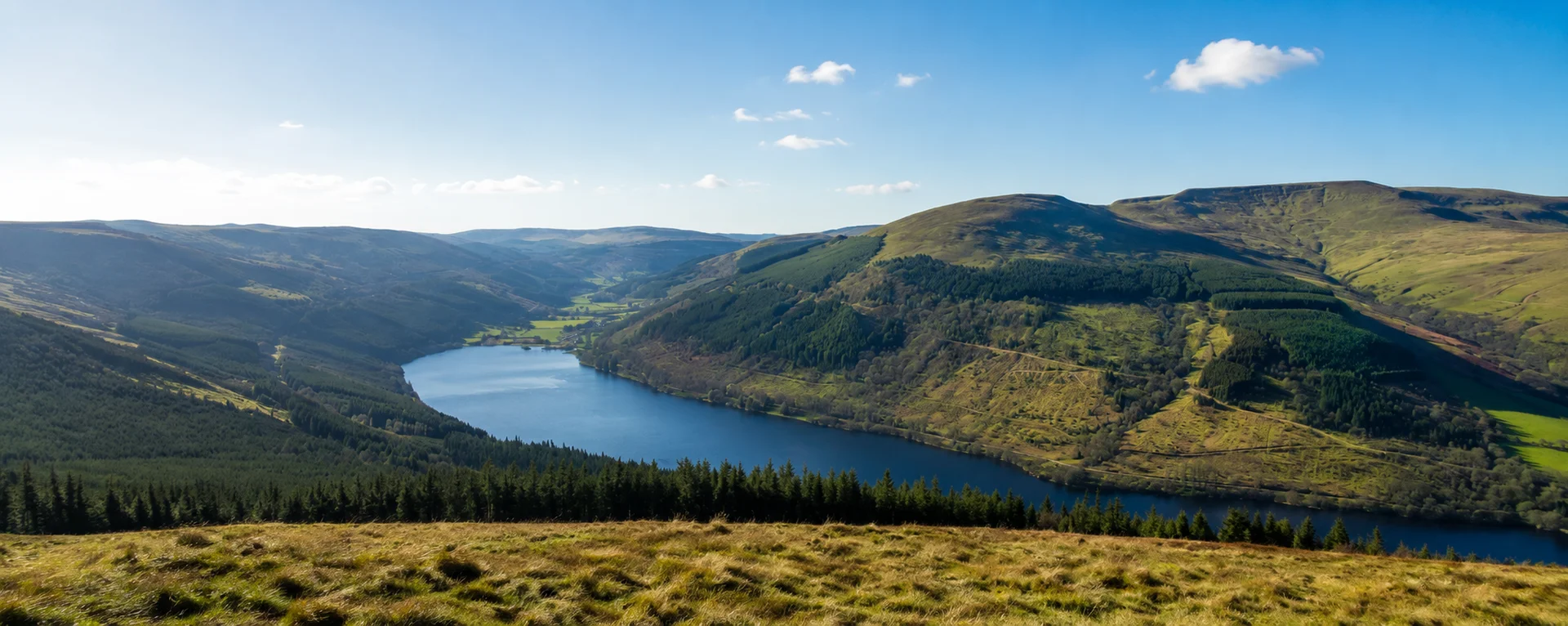
A mix of woodland and water, great for varied habitats. Wide, flat tracks along the south shore.
Access notesEarly mornings and evenings often feel most alive — but every season offers something different.
You don’t need a guide, but a good one brings the landscape into focus, helping you read subtle signs you’d otherwise miss: bird identification and behaviour, techniques for spotting wildlife without disturbing it, and an understanding of habitats and seasonal patterns.
Or you can simply wander, pause, and let the landscape reveal itself naturally. Wildlife watching suits families, couples, solo walkers, nature lovers, photographers, and anyone wanting a gentle, low-effort experience. If you’re happy to pause and pay attention, you’re already doing it right.
Some days feel full — movement overhead, birds calling, colour in every direction. Other days are quieter, slower, more subtle. Both are part of the experience.