Nature & night sky
Dark Sky Stargazing
A quiet, immersive experience beneath some of the darkest skies in the UK — slow, still and completely absorbing.
A quiet, immersive experience beneath some of the darkest skies in the UK — slow, still and completely absorbing.
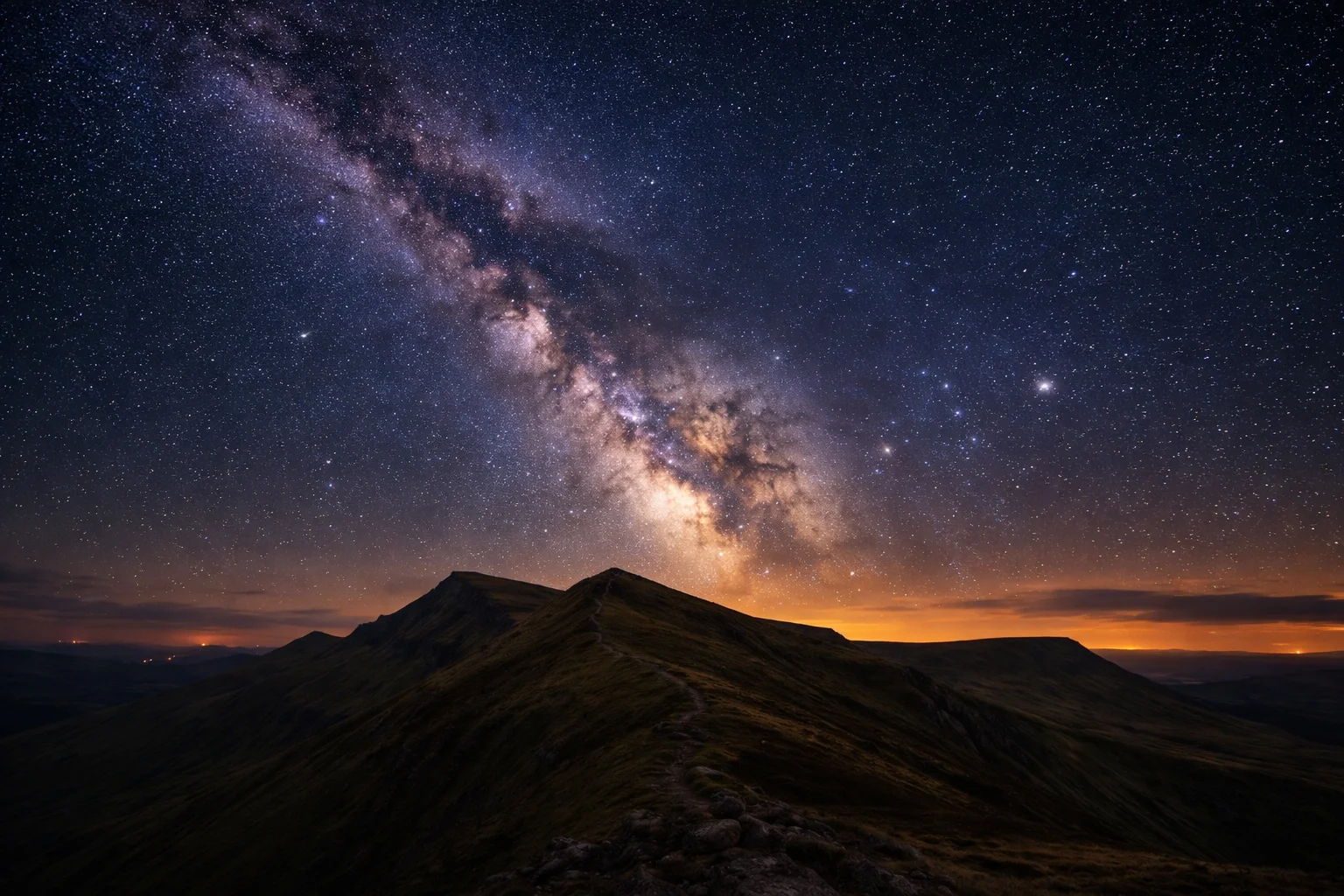
As daylight fades, the landscape disappears into silhouette and the sky takes over. With minimal light pollution and wide-open horizons, stars begin to appear in layers — first the brightest, then thousands more.
On the right night, the Milky Way cuts across the sky in a clear band, while planets and constellations sharpen into view. It’s less adrenaline, more perspective.
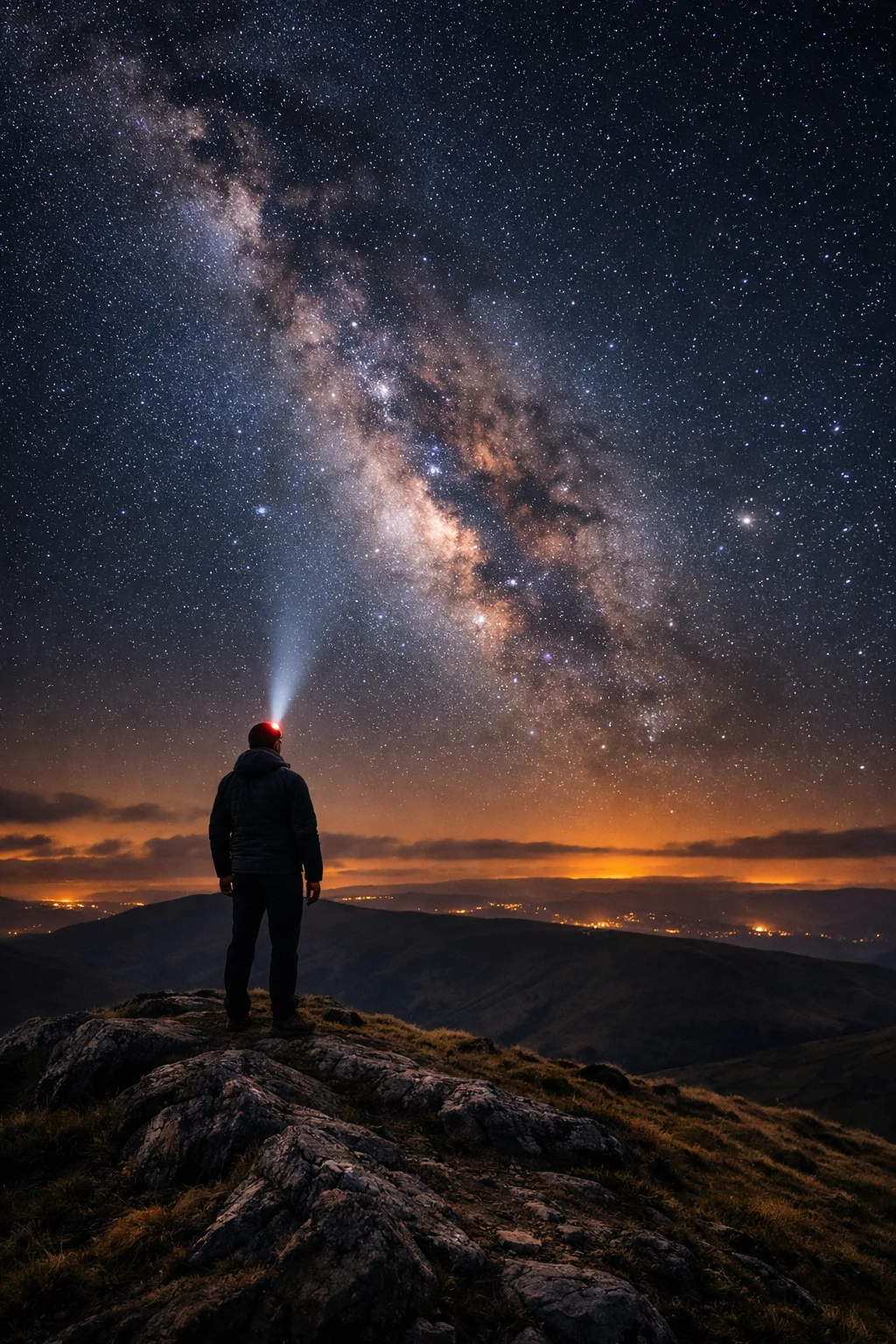
This is one of the few experiences where you’re entirely at the mercy of the sky.
The Beacons offer several dark-sky spots, each with a slightly different feel. All share the same key feature: properly dark skies.
Open, exposed and high, with big sky views in every direction. The most dramatic setting — and the most weather-dependent.
One of the darkest and most remote spots in the park, out on the western edge with almost no light on the horizon.
Still water and star reflections. A softer, lower-lying option that’s easy to reach and easy to stand around at.
Quieter and more sheltered, with the trees taking the edge off the wind on colder nights.
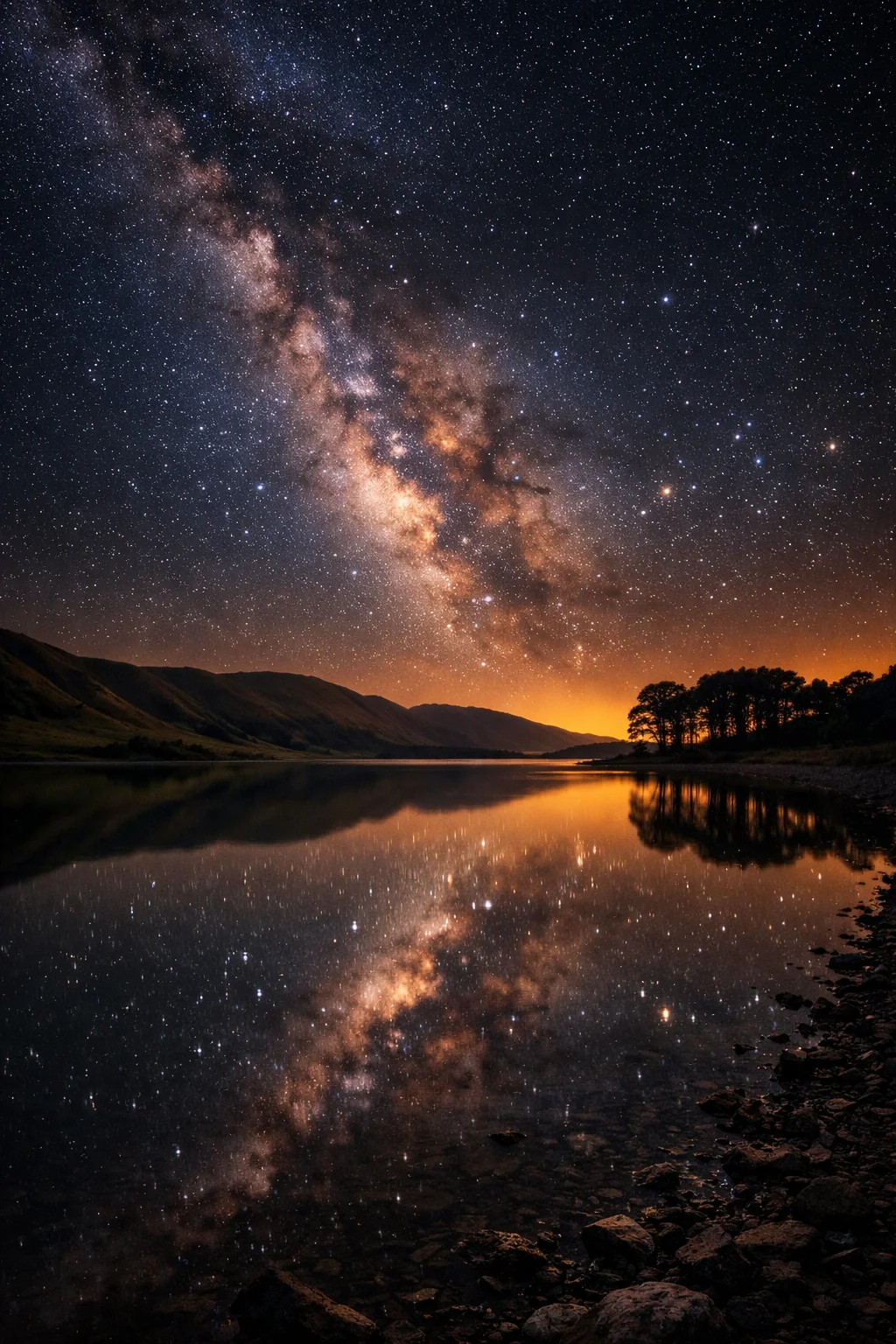
Clear skies mean full visibility of the stars and the Milky Way, with sharp constellations and bright planets. Cloud, mist or rain mean limited visibility and a completely different — and much shorter — experience.
Winter often brings the clearest skies, while summer offers more comfort. Timing it right makes all the difference. If you’re happy standing still and looking up, you’re set: no experience and no equipment required.
Stargazing is the lowest-effort, highest-reward experience in the park — suited to couples, small groups, photographers and families alike. Pick a clear night, wrap up warm, and give your eyes twenty minutes to adjust.